


What If “Later” Comes Too Late?
“I’ll think about that later” is an understandable response to an uncertain future. There’s already plenty to manage today without worrying about what might happen five or ten years from now. The trouble with “later” is that eventually, and sometimes unexpectedly, it becomes “now.”
Mom falls. Your spouse needs help. Your work schedule becomes harder to balance with caregiving. Suddenly, the question you planned to answer someday confronts you, and “we’ll figure it out” becomes much harder than it sounded.
Think of holding a coin at arm’s length. You can see the coin clearly, but you can also see everything around it. You have perspective. Now move that same coin directly over your eye. The coin hasn’t grown, but your ability to see beyond it has almost disappeared.
A crisis can do the same thing. When a possibility is still at arm’s length, you can explore it without urgency. You can ask questions, talk with people who have faced something similar, consider alternatives, and even change your mind.
When the problem is suddenly in your face, your world becomes smaller. You’re solving today’s problem while worrying about tomorrow’s consequences. That’s a difficult place from which to navigate tough situations.
Preparation is an act of kindness toward your future self. Community strengthens that preparation because other people bring experiences and perspectives you don’t have. Their stories can help you recognize choices before you desperately need them.
You aren’t preparing because something terrible is guaranteed to happen. You’re preparing because life changes, often in overwhelming ways. Having considered your options beforehand may not make a difficult season easy, but it can make it easier.
Memorable takeaway: “Later” gives you options only until it becomes “now.”
Discover why preparation begins with community.
AI Disclosure
I use AI for DRAFTING messages and articles. Some drafts require little editing on my part; others I trash and rewrite. I wrote with em-dashes (—) long before AI turned them into telltale “I smell AI.” Now I find myself avoiding the em-dash even if I naturally would've used it. It’s the world we live in. Regardless, what you read does reflect my Point of View.

HOMESCHOOLING: Haven or Havoc?
Your child's school years are precious and fleeting.

Now could be your best time to step up where your school is letting your child down. Let this series of myth-busting short chapters encourage you.

2 Major Mistakes
Which one will you make?

Which of these 2 retirement mistakes are you making right now? It's impossible to entirely avoid both mistakes.
You won't know for sure which mistake will work out better for you until it's too late.
How to choose?
Finding the Will
(Part 1)
Part 1: Have the will to arrange for a smooth transition when you’re no longer around to answer questions

Have the will to arrange for a smooth transition when you’re no longer around to answer questions (Part 1)
Ensuring your children or other Loved Ones can readily access your important papers when you die entails a sound process versus one or two conversations. You must overcome aversion to the subject of death, procrastination of anything that is long-term, and the tendency to assume things will be fine. Family dynamics can be sweet, spicy, or dicey.
Finding the Will
(Part 2)
Part 2: Getting Organized
While the internet permits convenient access to accounts, policies, and stored documents, it presents a plethora of password management problems. which too many people avoid by succumbing to password laziness, such as:
- re-using passwords for multiple logins, or
- use simple, easy to remember passwords, or
- writing them on sticky notes placed on their monitor or under their keyboard, or
- keeping them in a spreadsheet on their computer, or
- letting their browser remember passwords for them
Embrace Your Clarence
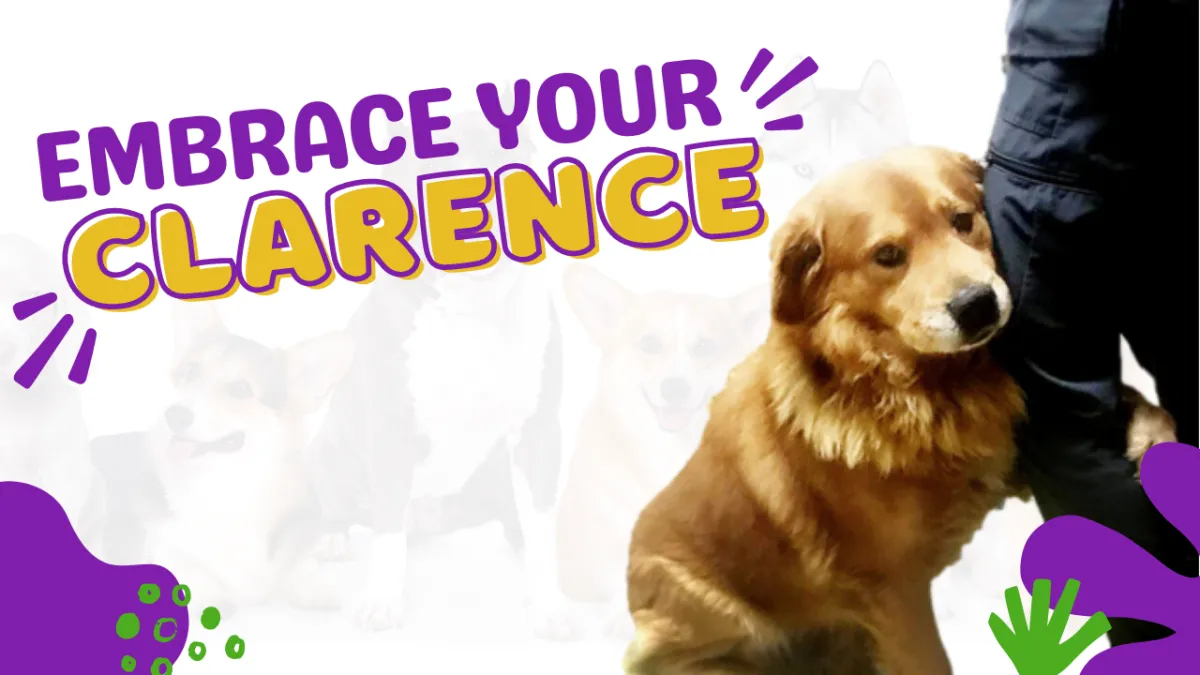
Is Clarence your future?
Golden insight from a golden retriever.
Post-Pandemic W.E.L.L.ness
Working, Earning, Learning, and Launching to Thrive

Where life drastically changed forever two years ago, everyone adjusted to the best of their abilities.
Here are a few of the key adjustments--"pandemic pivots"--that sustained some and prospered others.
Prenuptial Adulting
Equip Them for Happily Ever After

“Mom, Dad, we’re getting married!"
“Wonderful, congratulations! Here’s what you both need to do first.”
Equipping newlyweds with essentials of responsibility leaves plenty of life yet to be discovered on their own. Adults understand that love isn’t oogly feelings; it’s a hard choice. It’s putting your commitments and your money where your mouth is.
Many of the following steps also apply to one’s turning 18 years old. Becoming engaged adds urgency and a deadline.
Rethinking Competing Funds for College and Retirement

We live in a time of skyrocketing inflation topping decades of unbridled higher education costs.
Is the tension between funding your retirement and funding (at least partially) your children’s college education keeping you up at night?
You’re not alone.
Married? Is Your Endgame 100% or Just 50%?
Are you single? That other 50% could be whoever is most important to you.

Multiple unforgiving players factor into your retirement and estate plans (collectively your “endgame”). Household names include the Internal Revenue Service, the Social Security Administration, and the Center for Medicare and Medicaid Services. Key decisions with these players are nearly impossible to reverse. Plus, if you qualify for a pension, how you activate it is another irreversible decision.
Are you more of a planner than your spouse? It’s all too common for one spouse to blindly trust the planning spouse. Countless endgame “plans” were created by 50% of a couple: